Model Application Portfolio: Structure and Content Explained

Reading time: 9 minutes
You've taken your first good photos, you feel ready, and now you want to apply to agencies. But instead of just firing off emails, you end up in a gray area: Which pictures? In what order? PDF or JPG? Cover letter, yes or no? A professional model application portfolio can decide whether a booker invites you to a go-see or clicks your email away after three seconds. In this article you'll learn how to structure your materials, which mistakes to avoid, and what bookers really want to see.
The modeling application portfolio is your first contact with the agency. It has to convince quickly, because bookers receive dozens of applications every day. Your portfolio is your promise that you are professional, reliable, and bookable. Missing information, overloaded layouts, or the wrong choice of images cost you the chance.
What Belongs in a Model Application Portfolio?
An application to a modeling agency consists of three mandatory elements: photos, measurements, and contact details. Without these basics, nothing works. Bookers want to see at a glance whether you fit their roster. Everything else is optional but can make the difference.
Your Photos: Less Is More
You need five to eight images at most. More are confusing, fewer look incomplete. Each photo has to show a different facet: front-facing portrait, profile, full body from the front, full body from the side, and one or two styled shots. No vacation snapshots, no filters, no selfies. Bookers want to see you, not your editing skills. The images should be high resolution, at least 1500 pixels on the longest side, but no larger than 2 MB per file.
Make sure your comp card images cover all the important shots before you apply. Agencies expect variety, but not a wild mix. Show your versatility without looking arbitrary.
Your Measurements: Precise and Current
Height, bust, waist, hips, shoe size, and clothing size are mandatory. For male applicants, add shoulder width and collar size. Measure again before you put your portfolio together. Wrong information shows at the latest at the go-see and looks unprofessional. If you're not sure how international clothing sizes convert, take a look at model clothing sizes compared.
Contact Details and Optional Extras
Name, date of birth, mobile number, email, and place of residence belong in the model application portfolio. For Instagram or TikTok handles, the rule is: only include them if the account is run professionally. A messy social media presence does more harm than good. A short cover letter is optional but can make you stand out from the crowd if it is concise and error-free. Write three sentences at most: who you are, why you're applying, what makes you special.
How Do I Put Together a Modeling Application Portfolio?
The order of your photos decides whether a booker keeps looking. The first image has to convince immediately, because it determines whether the agency looks at the rest. Start with a strong portrait, front-facing, neutral background, good light. Full-body shots follow, then possibly a styled shot or a special editorial image.
What Photo Order in a Model Application Portfolio?
Here is a proven structure that works at agencies like Mega Model Agency or IMG Models:
- Image 1: Front-facing portrait, natural makeup, hair down
- Image 2: Side portrait or three-quarter profile
- Image 3: Full body from the front, simple clothing
- Image 4: Full body from the side or in motion
- Images 5-6: Optionally one or two styled shots that show your range
Never more than eight images. Most bookers decide within the first three images whether to invite you. Putting your portfolio together doesn't mean stuffing in all your good images, but curating the right ones. You'll find more in our guide to portfolio selection.
Digital or Printed: What Do Agencies Expect?
In 2025, almost everything is digital. Printed portfolios are only still relevant at in-person go-sees or at trade fairs. For your first application, you send a PDF by email or fill out the agency's online form. The PDF should be 5 MB at most, contain all the images, and show your measurements on the first page. Never send a zip file with individual images; it annoys bookers.
If the agency has an online form, use it. Bookers prefer it because it feeds their database automatically. If you send an unsolicited email instead, you risk it getting lost.
What Bookers Really Want to See
Bookers aren't looking for perfection but for potential. They want to see whether you're versatile, whether you fit their roster, and whether they can sell you to clients. Your model application portfolio has to show that you understand how the business works.
Authenticity Beats Gloss
A no-makeup portrait and an unposed full-body shot say more than an over-produced editorial. Bookers want to see your skin, your proportions, your presence. Filters, extreme retouching, or dramatic poses are counterproductive. Show yourself as you are, and then the agency can decide whether it wants to work with you.
Technical Quality Without the Frills
Good light, sharp focus, neutral background. Those are the basics. You don't need a star photographer, but the images have to be technically clean. Camera shake, poor lighting, or distracting backgrounds disqualify you immediately. If you don't know whether your images are good enough, have someone from the industry check them.
Complete Information: No Guesswork
Missing measurements, no mobile number, or a vague date of birth look unprofessional. Bookers don't have time to chase you. Your model application documents must be complete, or you're out. Especially important: current contact details. If you move or change your number, update your application immediately.
Typical Mistakes in a Model Application Portfolio
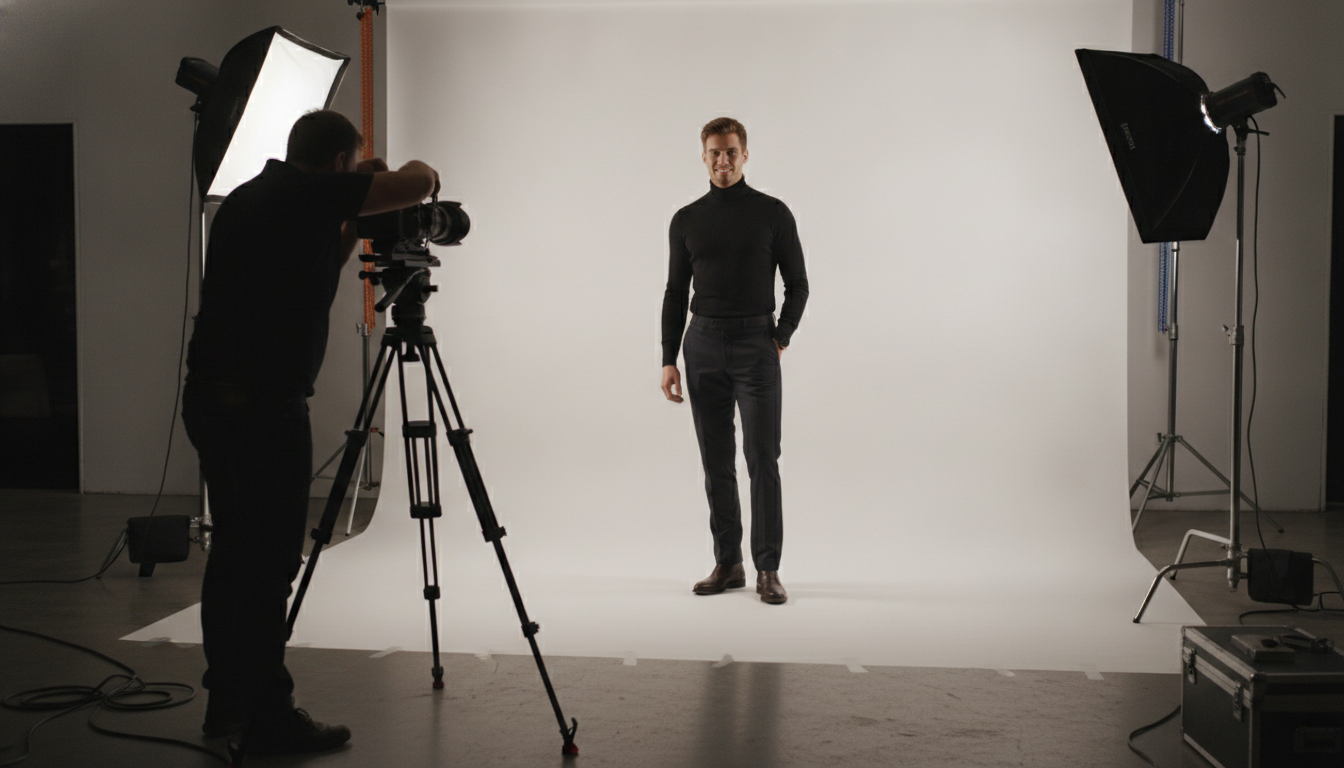
Most applications fail because of avoidable mistakes. Here are the most common stumbling blocks that can cost you the job.
Too Many Images, Too Little Structure
Fifteen images in an application are a knockout. Bookers want efficiency. Anyone who can't select shows they don't understand the business. Reduce to the essentials and stick to the rule of thumb: five to eight images, no more.
Outdated or Wrong Measurements
You list 5'10" (178 cm) but are actually 5'8" (174 cm)? That shows at the go-see and ruins your reputation. Agencies work with precise castings, and wrong information costs not only your time but also the booker's. Measure again before you send your documents.
Unprofessional Email Address or Missing Subject Line
An email address like "partygirl2003@hotmail.com" looks unserious. Set up a clean address, ideally firstname.lastname@provider.com. The subject line should be clear: "Model Application, [Your Name], [Height], [City]". That way the booker can find your email again weeks later.
Sending a Model Application Portfolio Digitally or in Print?
The digital application is standard today. Printed portfolios only play a supporting role, for example at in-person appointments or at fashion weeks. Still, you should be prepared.
Digital Application: PDF or Web Form
Send your model application portfolio as a PDF by email or through the agency's online form. The PDF should be 5 MB at most and deliver all the info at a glance. First page: portrait, measurements, contact details. Following pages: further images. No overloaded designs, no gimmicks. Black on white, clear font, done.
Printed Portfolio: Only for Go-Sees
If you're invited to a go-see, bring a printed portfolio. Letter or A4 format, ten images at most, in a clear sleeve or a simple portfolio book. No glossy printing needed, but clean prints on good paper. The printed portfolio is a backup, not the main application.
What Documents Do I Need for a Model Application?
Besides the photos and measurements, optional documents can improve your chances but are not mandatory. Here is an overview of what makes sense and what you can leave out.
Comp Card
If you've already worked with agencies, you can include a finished comp card. For newcomers, it isn't strictly necessary. The agency usually creates it itself once it signs you. An unfinished or homemade comp card looks amateurish, so better leave it out.
References or Previous Jobs
If you've already had paid jobs, mention them briefly in your cover letter. Name brands, photographers, or campaigns you've worked for. Don't make anything up; bookers check. If you don't have references yet, that's not a problem. Everyone starts somewhere.
Social Media Presence
Instagram or TikTok can be a plus if you have a clean, professional presence. Agencies check your reach and engagement. But be careful: an unserious account does more harm than good. If you want to learn more about the strategic use of social media, check out our guide to agency scouting via Instagram.
What Goes into the Model Application Portfolio for Niche Agencies?

Not every agency looks for the same profiles. Curve agencies, plus-size bookers, or male model agencies have specific requirements. Your portfolio has to adapt to the type of agency.
Curve and Plus-Size Models
Curve agencies like Chirton Models or Louisa Models expect the same basics as classic agencies: clear portraits, full-body shots, precise measurements. The difference lies in the visual language: show your curves, but stay commercial. No oversexualized poses, no fashion editorials that don't fit your type. You'll find more info in our article on curve model agencies in Germany.
Male Models
Male applicants additionally need upper-body shots and full-body shots in swim trunks or shorts. Agencies want to see your proportions. No gym selfies, no mirror poses. Professional shots in the studio or outdoors with good light. Collar size, shoulder width, and clothing size are mandatory.
Frequently Asked Questions About the Model Application Portfolio
How many images should I put in my modeling application portfolio?
Five to eight images at most. Fewer can be enough if each image shows a different facet. More confuses bookers and looks unstructured.
Do I have to include a cover letter with my model application?
A short cover letter is optional but can help you stand out from the crowd. Three sentences at most: who you are, why you're applying, what makes you special. No novels, no motivation letters.
Can I send my model application portfolio via WhatsApp?
No. Agencies expect applications by email or through their online form. WhatsApp looks unserious and unprofessional. Stick to the official application channels.
Should I round my measurements or state them exactly?
State them exactly. Bookers work with precise castings, and wrong information shows at the latest at the go-see. Measure again before you send your documents.
How often should I update my application portfolio?
At least once a year, or when your look or your measurements change. Outdated images hurt your credibility. Keep your materials current, especially when you have new, better photos.
Conclusion: Your Model Application Portfolio as a Door Opener
A professional model application portfolio isn't rocket science, but it decides your first contact with agencies. Stick to the basics: five to eight strong images, complete measurements, clean contact details. No gimmicks, no overloading, no false information. Bookers want to see efficiency and potential, not artistic experiments. If you're unsure whether your portfolio is professional enough, have someone from the industry check it before you send it. Your portfolio is your promise that you know how the business works. Do it right, and the invitation to a go-see will come sooner than you think.