Plus-Size Modeling: How to Launch Your Career as a Curve Model
Reading time: 9 minutes
While the fashion world promoted German size 34 (about a US size 4) as the standard for decades, plus-size models now reflect reality: according to the German Federal Statistical Office, 67 percent of German women wear a dress size 42 (about US 12) or larger. Plus-size modeling is no longer a niche but a growth market with real career opportunities. Agencies such as Curve Models Hamburg or Pars Management Berlin have built dedicated divisions just for curve models, and brands like H&M, Zalando and About You show curvy bodies in their campaigns as a matter of course.
The path into plus-size modeling differs from the standard modeling business in a few ways. Which measurements do you need, which agencies actively scout curve models and how do you start your application professionally? This guide gives you concrete answers, real numbers and practical steps to launch your career as a curve model.
What Is Plus-Size Modeling and How Does It Differ From the Standard Segment?
Plus-size modeling describes the work of models who wear dress sizes 42 to 50 (about US 12 to 20) or larger. In industry jargon, they are also called curve models or curvy models. While standard models usually wear size 34 to 36 and are between 175 and 181 cm tall, curve models are typically between 170 and 185 cm tall with sizes between 42 and 48. As a guideline for measurements: bust from 95 cm, waist from 75 cm, hips from 105 cm. These values are not set in stone, though, and every agency has slightly different requirements.
A key difference lies in the field of work: plus-size models are booked specifically for campaigns that want to show curvy bodies. That can be fashion for larger sizes, but also general advertising that wants to reflect diversity. According to a 2022 study by McKinsey & Company, fashion brands increased their spending on inclusive marketing campaigns by an average of 43 percent compared to 2019. This development opens doors, but it also creates competition: you don't compete with standard models, but with other curve models for the same jobs.
What Measurements Do You Need as a Curve Model in Germany?
The exact requirements vary by agency and client. Pars Management Berlin, the biggest German platform for curve models, lists the following minimum measurements for female curve models: height from 170 cm, size 42 to 48, bust from 95 cm, waist from 75 cm, hips from 105 cm. At agencies such as Louisa Models Munich or Bridge Models Hamburg, the guidelines may differ slightly, but the range remains similar.
What matters is that your proportions look harmonious and that you feel comfortable in your body. Clients don't book curve models just for their dress size, but because they are meant to convey presence, confidence and authenticity. A healthy appearance, well-cared-for skin and hair, and a radiant smile are at least as decisive as the centimeters at bust or hip.
Male curve models, also called plus-size male models, are rarer, but they exist. Here, heights from 180 cm and sizes from EU 52 or larger often apply. Agencies such as Seeds Management or Model Management Hamburg also represent male curve models, although demand is growing more slowly than in the female segment.
How to Become a Plus-Size Model: Getting Started
Your path into plus-size modeling ideally starts with an honest self-assessment: do you meet the physical requirements, are you interested in fashion and photography, and are you ready to accept rejection? If so, these steps follow:
- Research agencies that explicitly represent curve models: Pars Management, Louisa Models Munich, Bridge Models Hamburg, Modelwerk Hamburg, Seeds Management Hamburg. Look at their websites and note the requirements and application procedures.
- Create meaningful Polaroids or first test photos: no elaborate shoots needed, just natural pictures in good resolution. Show yourself from the front, from the side, in a portrait and in a full-body shot. Wear fitted, simple clothing and subtle makeup, no filters.
- Apply directly to agencies through their online forms or by email. Keep your message short, state your measurements, your age and your location, and attach the Polaroids or add a link. You can find more tips on applying professionally in our guide Tips for Your Perfect Model Application.
- At the same time, you can present yourself on online platforms such as Model-Kartei.de or Instagram. Create a professional profile, use relevant hashtags like #PlusSizeModel, #CurveModel or #BodyPositivity and network with photographers who offer TFP shoots.
Plus-Size Model Without an Agency: Is It Even Possible?

Yes, you can also start without an agency. Many curve models first build a small online presence on their own, collect their first shoots and are then discovered by agencies. The direct route via platforms like Instagram, TikTok or Model-Kartei.de lets you build your portfolio step by step. Make sure you show professional photos, not private snapshots. Even without an agency, you can apply directly to brands, online shops or photographers who are looking for curve models.
One downside: you have no bargaining power, no legal advice and no quality control over contracts. If you work as a curve model without an agency, read every contract carefully or use our tips in the article Reviewing a Model Contract: What to Look For. An agency normally takes care of this protection for you and charges a commission of between 20 and 30 percent for it.
Your Comp Card as a Calling Card in Plus-Size Modeling
The comp card is your most important tool. It shows at a glance who you are, what you look like and what versatility you bring. A professional comp card for curve models contains at least six to eight photos: a portrait, a full-body shot from the front, a full-body shot from the side, a photo in casual wear, a photo in a business outfit and ideally one or two emotionally charged fashion shots. It also includes your measurements, dress size, shoe size, hair color, eye color and contact details.
Have your comp card created by a photographer with experience shooting curve models. Avoid overexposure, extreme retouching or misleading poses. Clients want to see how you really look, not an edited version. First professional shoots cost between €150 and €400, while TFP shoots are free if both sides may use the pictures.
Which Agencies Are Currently Looking for Curve Models in Germany?
Demand for plus-size models has grown in recent years, but not every classic modeling agency has a curve division. Here is a selection of agencies that specifically represent curve models and are worth applying to:
Pars Management Berlin is one of the best-known agencies for curve models in Germany. It represents models from size 42 and places them with national and international clients. Louisa Models Munich also has its own plus-size department and works with brands such as s.Oliver, Sheego and Navabi. Bridge Models Hamburg represents curve models for editorial, e-commerce and campaigns. Modelwerk Hamburg and Seeds Management Hamburg round out the offering in northern Germany.
If you apply to several agencies at the same time, be honest and transparent. Agencies talk to each other, and duplicate applications without notice are considered unprofessional. You can learn more about the differences between agencies in our article The Differences Between Modeling Agencies.
How Much Do Plus-Size Models Earn?
Fees in plus-size modeling range from €150 to €2,000 per day, depending on the assignment, experience and client. For e-commerce shoots, meaning product photos for online shops, day rates between €150 and €400 are often paid. Campaigns for larger brands or editorials in magazines can pay €500 to €1,500 per day. Top curve models like Ashley Graham or Paloma Elsesser earn significantly more, but they play in a different league.
According to a 2023 industry survey by the agency Modelwerk Hamburg, the average annual income of curve models in Germany who work regularly is around €18,000 to €35,000. Full-time models with established careers and international bookings also reach €50,000 and more. For comparison: standard models earn similar amounts on average, as the number of jobs and the fees are converging.
Body Positivity and Plus-Size Modeling: More Than a Trend
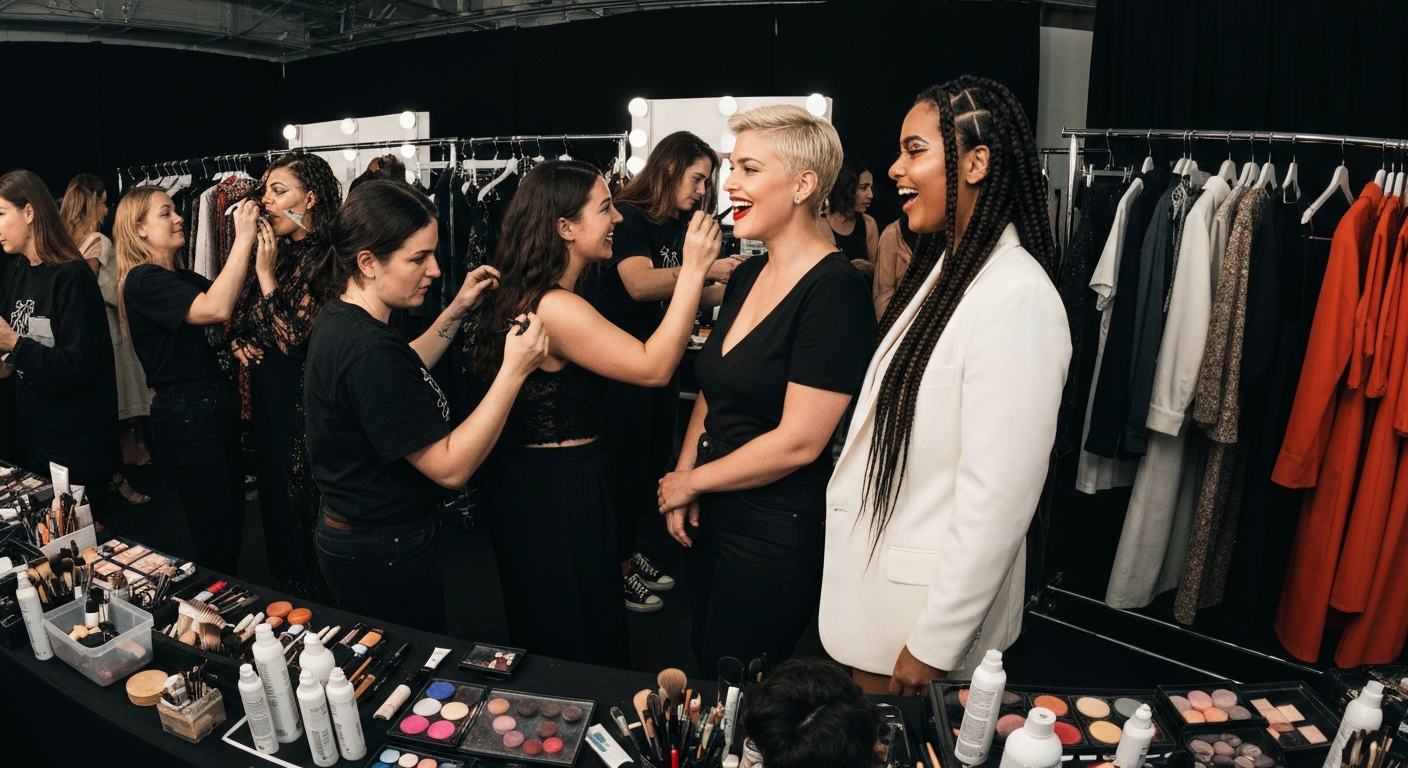
Body positivity is not a marketing gimmick but a social movement against unrealistic beauty standards. Plus-size modeling is a visible sign of this movement. According to a 2023 study by the Gesellschaft für Konsumforschung (GfK), 78 percent of the women surveyed in Germany said they feel better represented by advertising with curvy models than by classic runway looks.
For you as an aspiring curve model, this means: you carry a message. Your work shows that beauty is diverse and that fashion should be made for all body types. You should also carry this attitude onto social media, authentically and without forced poses. Brands are looking for models who share their values and embody them credibly.
Frequently Asked Questions: Plus-Size Modeling at a Glance
What is the difference between a plus-size and a standard model?
Plus-size models wear sizes 42 to 50 or larger and are booked specifically for campaigns that show curvy bodies. Standard models usually wear size 34 to 36 and work mainly in high fashion. The requirements for height, proportions and presence are high in both segments, but the market differs in target audiences, clients and campaign focus.
How do I become a plus-size model in Germany without experience?
Start with a self-assessment of your measurements and research agencies that represent curve models. Create natural Polaroids and apply directly to agencies like Pars Management, Louisa Models or Bridge Models. At the same time, you can build a portfolio on platforms like Model-Kartei.de or Instagram and arrange your first TFP shoots. Experience isn't a must, but professionalism and commitment are.
What exact measurements do you need as a curve model?
As a female curve model, you should be at least 170 cm tall, wear size 42 to 48 and have measurements of roughly 95-75-105 cm (bust-waist-hips) or more. These values vary slightly by agency. Male curve models should be 180 cm or taller and wear sizes from EU 52. More important than exact centimeters are harmonious proportions and a healthy, well-groomed appearance.
Can I also work internationally as a plus-size model?
Yes, the market for curve models is growing worldwide. Agencies like Pars Management or Louisa Models have international partnerships and also place their models abroad. Metropolises such as London, New York, Paris and Milan have dedicated curve divisions at major agencies. The prerequisites are a professional portfolio, English skills and a willingness to travel. International jobs often pay higher fees but also require more flexibility.
How long does it take to become successful as a curve model?
That depends heavily on your commitment, your network and market demand. Some models get their first assignments just a few weeks after their first application, while others need six to twelve months to be booked regularly. Building a professional portfolio, working with an agency and maintaining a steady social media presence speed up the process. Patience, perseverance and professionalism are crucial.
Conclusion: Your Start in Plus-Size Modeling Begins Now
Plus-size modeling offers real career opportunities in a market that is growing and becoming more socially relevant. You don't need a perfect size zero, but confidence, professionalism and the courage to put yourself out there. Check your measurements, create professional Polaroids and apply to agencies that actively represent curve models. Use platforms like Instagram or Model-Kartei.de to build your portfolio, and network with photographers and other models.
Whether you start with or without an agency: keep your expectations realistic, invest in good photos and stay authentic. Plus-size modeling doesn't happen by itself, but with commitment, patience and the right strategy, you can build a successful career in this segment. Your first step? Apply to an agency today or book your first test shoot.