How to Become a Model: Why On-Set Behavior Matters

Reading time: 5 minutes
You show up on time, your poses are on point, the styling works. Yet the photographer never books you again. The reason almost always lies outside the frame: in how you treat the team before and after the shoot. If you want to become a model, you need to understand that bookings are often decided by behavior, not just looks.
Set etiquette isn't a side issue, it's part of the job. Agencies and photographers talk to each other, and a bad reputation spreads faster than a good photo ever could. In this article, I'll walk you through what really matters before, during, and after a shoot.
How to Become a Model: Professionalism Starts Before the Shoot
Many aspiring models completely underestimate the prep phase. But this is often where your reputation for reliability is made or broken. Cancel a confirmed booking two days out because something better came along, and every agency will remember it.
Proper behavior before a photoshoot starts with communication. Read the call sheet carefully, ask if anything's unclear, and confirm your attendance firmly. If you're not sure what to bring, check out our guide on packing your model bag so nothing's missing on set.
Punctuality Is Non-Negotiable
Arriving 15 minutes before call time is considered the bare minimum in this industry, not a bonus. A shoot day is often scheduled down to the minute, especially for editorials with multiple looks. Show up late, and you throw off the entire timeline for the team, the makeup artist, and the photographer.
When shooting in unfamiliar cities, always build in a buffer. Traffic, canceled trains, or wrong addresses happen, but they're not an excuse if you could have planned around them.
On-Set Behavior: What Photographers Actually Expect
On set, more than just the right pose matters. Professional behavior as a model means blending into the team without fading into the background. You're part of a production, not the only lead.
Tricky situations happen too, like when a photographer gives unclear direction or gets short-tempered. For tips on handling this with composure, check out our full guide on dealing with difficult photographers on set.
- Put your phone away completely during the shoot, keep it out of sight even during breaks on set, and don't constantly check it
- Act on feedback about poses or lighting right away, without lengthy debate or taking it personally
- Use breaks to chat briefly with the stylist or makeup artist, it builds trust for next time
To learn how to execute posing direction precisely without constantly asking questions, read our article on communicating with photographers on posing. It saves time and shows the team you're paying attention.
Handling Criticism and Pressure
Not every take works on the first try, and that's normal. If you want to become a model, you need to see corrections as part of the process, not a personal attack. An annoyed eye-roll on the third retake is something the crew will absolutely remember.
Especially on tightly scheduled shoots, like catalog work with twelve looks in a single day, speed matters. Stay friendly even as the pressure builds, that's what separates pros from beginners.
Shoot Etiquette: The Small Details People Underestimate
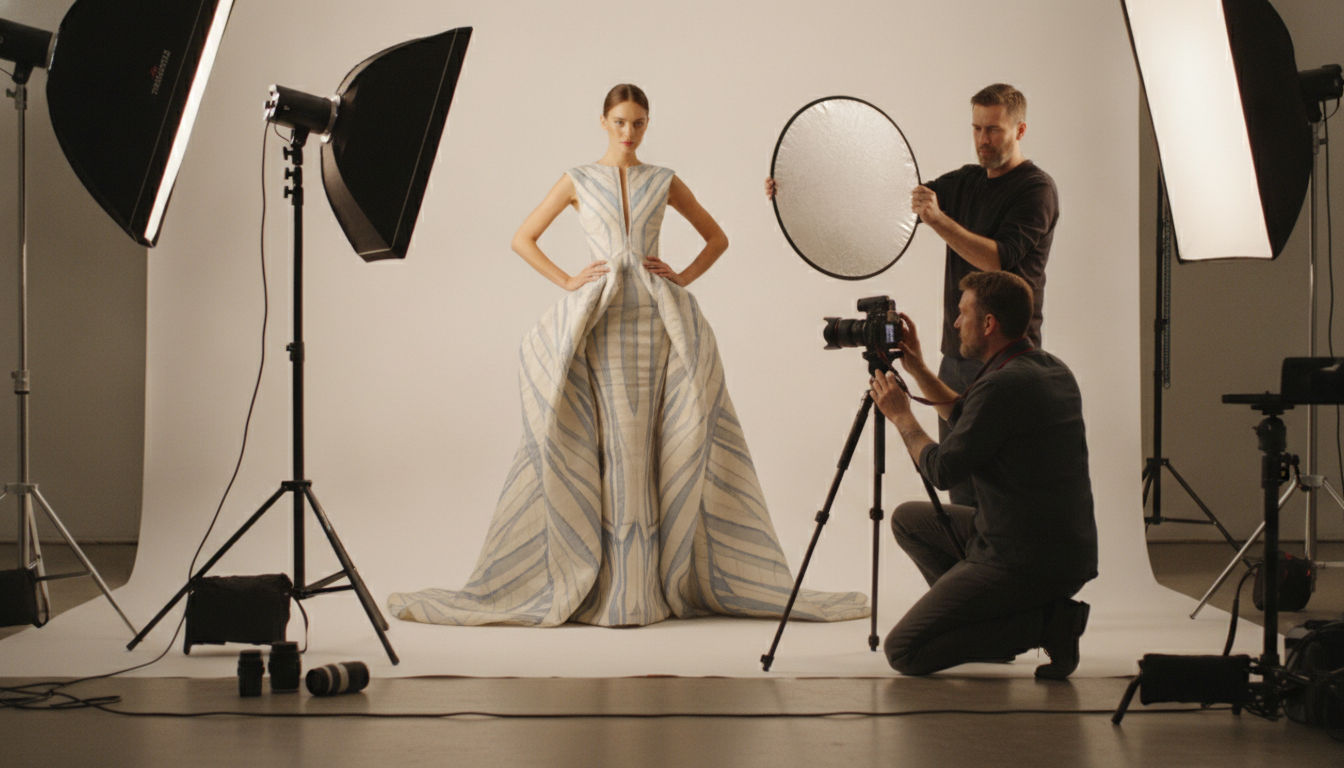
Some rules of shoot etiquette sound obvious but get ignored constantly anyway. That includes things like not taking your own photos during active shooting, or posting social media content from set without asking first. Many contracts spell this out explicitly.
Grooming and hygiene also matter more than many people realize, especially for close-up beauty shoots. For male models, we've laid out specific standards in our article on grooming on set.
Another key point: treat every team member with respect, not just the photographer. The assistant running cables or the person handling catering deserves the same courtesy as the person behind the camera. Agencies specifically ask bookers how a model behaved with the team.
What to Do After a Shoot as a Model
The moment the last shot is in the can is often underestimated. Many models pack up immediately and leave without a word of thanks. But this exact phase is what shapes future bookings.
So what should you actually do after a shoot as a model? A brief, genuine goodbye to the team is often enough. A short thank-you email to the photographer or agency the next day comes across as professional and sticks in people's minds.
Following Up With a System
After every job, jot down what went well and what you'd do differently next time. This kind of self-reflection will take you further in the long run than any posing tutorial. Also check soon after whether new images should be added to your comp card, more on that in our article on updating your comp card.
If you're earning fees from international jobs, it's worth sorting out tax questions early. Our article on tax obligations on international fees explains what to watch for so there are no unpleasant surprises down the line.
First Impressions on a Photoshoot: Why They Last

The first impression you make on a photoshoot often determines whether a photographer recommends you to others. In an industry that runs heavily on networking, every encounter counts. Industry surveys consistently show that most models work on a project basis with rotating teams, which makes referrals a key booking factor (source to verify).
If you want to become a model and build a lasting career, it's worth keeping this dynamic in mind. It's rarely one perfect photo that decides your career, it's the sum of reliability, manners, and professionalism across many shoots over time.
Frequently Asked Questions About On-Set Behavior
How should I behave on set if I'm unsure about something?
Ask politely instead of guessing. A quick question to the photographer comes across as far more professional than a wrongly executed instruction.
What should I wear to a casting or shoot if nothing is specified?
Neutral, well-fitted basics without strong patterns or logos. That way photographers can clearly see your lines without the outfit becoming a distraction.
Can I take photos for social media during the shoot?
Only with the photographer's or agency's approval. Many productions contractually prohibit personal photos until the official images are released.
How should I react if a shoot goes badly?
Stay calm and professional right through to the end, even if you're frustrated. Afterward, reflect objectively on what you could do better next time.
Do I need to thank the team after a shoot?
Yes, a brief thank-you message to the team or agency is standard practice and is always well received. It costs very little time and strengthens the relationship for future jobs.
Becoming a model isn't just about good photos, it's about the whole package: reliability, on-set attitude, and professional follow-up. Take these points seriously, and you'll get rebooked far more often than someone who only focuses on the camera. Start your next job with a clear checklist for prep and follow-up, it makes a noticeable difference.